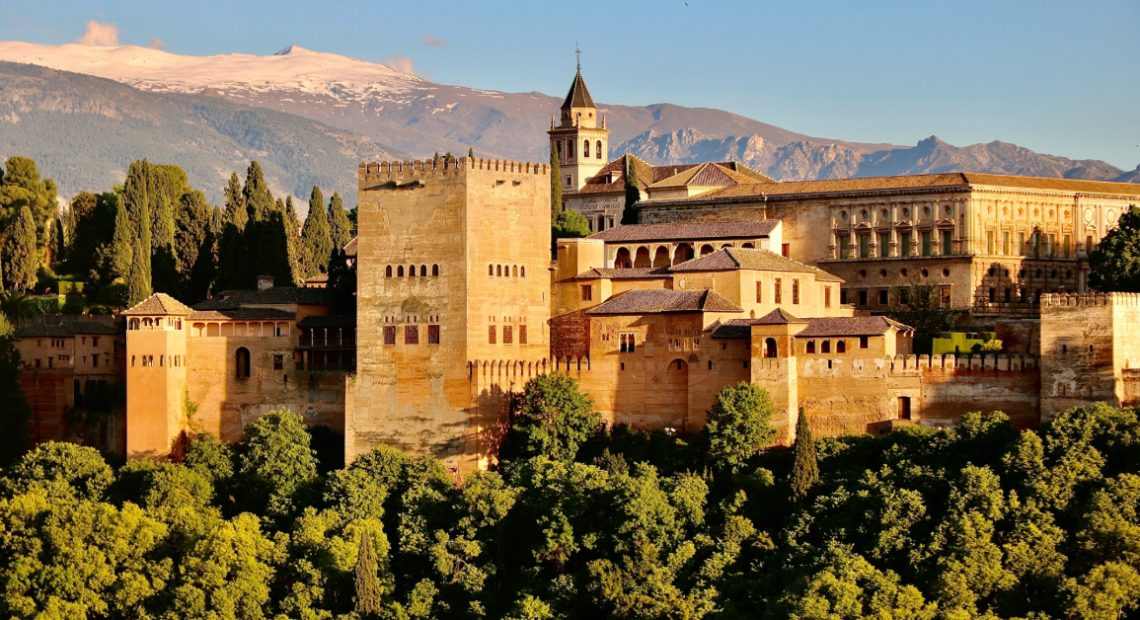
It is shaping up to be a promising year for Spain as it consolidates tourism as a key pillar of its economy: at the end of Easter, figures were released estimating the arrival of 100 million tourists for the 2025 season.

Joan Molas, president of Mesa del Turismo (the association that brings together the main Iberian tour operators), defines the Easter holidays as“A thermometer of what will happen in the summer period.” The temperature, then, seems to be rising: according to studies analyzing the market, this year Spanish Easter closed with increases of 1.2 percent in domestic tourism and 4.5 percent in international tourism.
This is the report of the first four months of 2025 showing an increase of about 6 percent, which means (without the advent of extraordinary events), the year could end with 98-99 million international tourists.


President Molas states, “The first 4 months of 2025 went very well, with growth over last year of 6%. If things continue like this, with nothing abnormal happening, the year could end with 98-99 million international tourists “.
He further adds, “The forecast for the summer is frankly encouraging, given the volume of demand we already have for May and June. Reservations are coming in well in advance, and it could happen like last year, when sales slowed down because the customer had bought in advance, not only in the domestic market but also in the major European markets “.
Among tourists choosing Spain, the British rank first, followed by the Germans, French and Italians. In contrast, May and June bookings see a run-up of Eastern European countries such as Poland, the Czech Republic and Slovenia, Asian countries such as China, Japan and Korea, and Latin American countries such as Mexico and Colombia.
Spain’s camping sector has also seen a surge, a clear indicator of the resurgence of outdoor tourism. This growth not only exceeds pre-pandemic levels by nearly 20 percent, but also represents an increase of more than 57 percent over the past decade, according to the Federación Española de Campings.
Innovations in Spanish campgrounds have undoubtedly been instrumental, including the introduction of glamping and improved facilities. Sustainability andeco-friendliness have also played key roles, akin to a demand from increasingly responsible consumers who increasingly prioritize environmental impact in their travel choices.
© Riproduzione Riservata