Normandy is a beautiful destination, a true inspiration, especially if the stay is outdoors. Camping in this beautiful corner in the northwest of France is the best way to immerse yourself in its atmospheres, whether by the sea or in the countryside, the same nature that inspired Monet in the creation of his countless paintings.


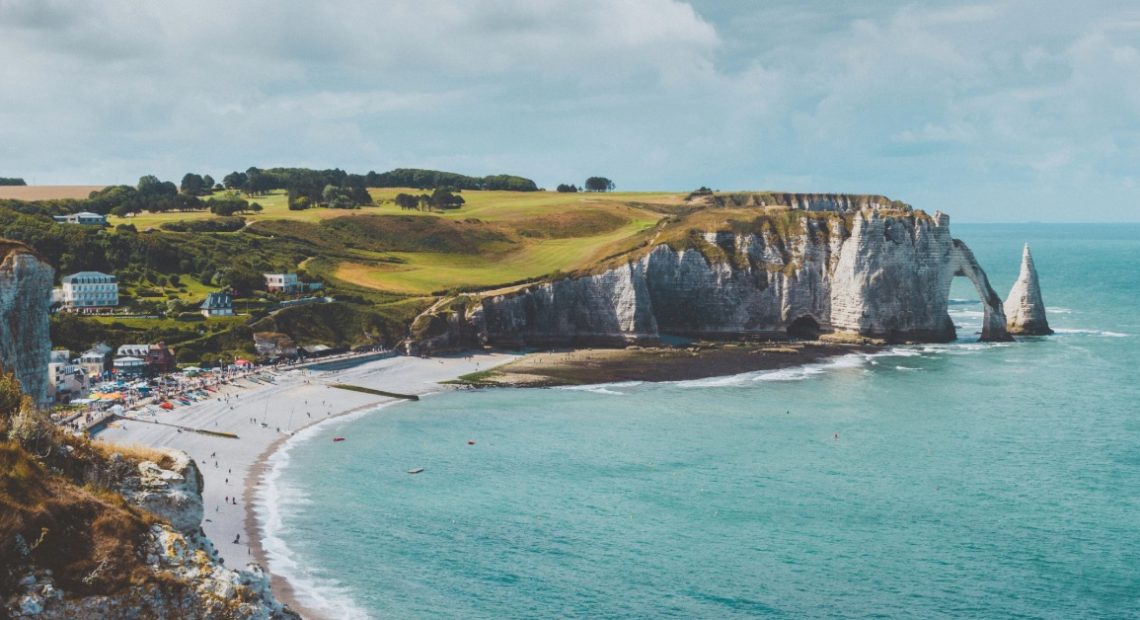
It is no coincidence that this beautiful area, along with theIle-de-France, is known as “the cradle of Impressionism.” The spring blooms make it an idyll, while in summer, the beaches become an irresistible attraction, with or without a dip in the waters of the English Channel: the white limestone cliffs are worth the trip, a spectacle of nature.
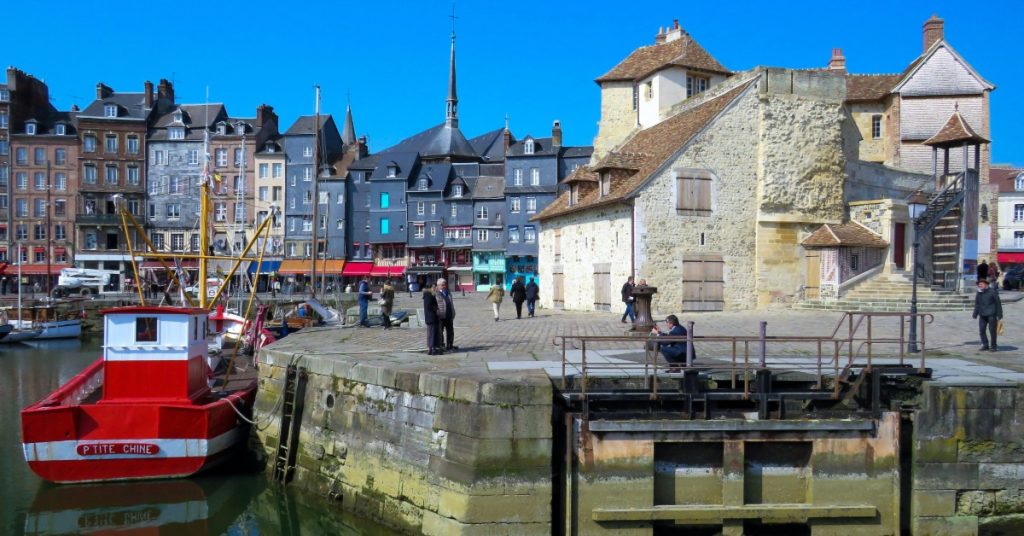
Sea, lots of greenery, but also magnificent villages ranked among the “Most Beautiful Villages in France.” treasure chests of art where to appreciate the most authentic traditions such as those of gastronomy, the recipes of the renowned French cuisine. And then the history of an area that saw the succession of contentions and exploits, from the time of the Vikings to D-Day, the landing that changed the course of the twentieth century. Finally, the magic of Mont Saint-Michel , a UNESCO heritage site, which with the tides stages a truly unique spectacle.


Camping in Normandy
Camping in Normandy is the ideal way to relax and experience a truly immersive vacation. There are so many camping facilities along the coast and inland that you will be spoiled for choice. You will find a very diverse proposal, from five-star campsites, to the “Camping Municipal” , minimal and very inexpensive solutions, where you only need to pay a small fee.
It is good to remember that free camping is not prohibited in France, but care should still be taken as there are many restrictions. Some areas are prohibited from parking RVs or pitching tents including:
- nature reserves;
- private property;
- beaches;
- public roads;
- within 500 meters of a tourist attraction or monument.
The risk of staying overnight in unpermitted areas is to incur fines that can amount to 1,500 euros.
Lastly, always pay attention to the signs: if you read “Camping réglementé – s’adresser à la mairie, ““Regulated campsites – contact the town hall,” contact the appropriate office of the municipality, which can tell you where the nearest pitches used for the service are located.
Normandy, the must-see destinations
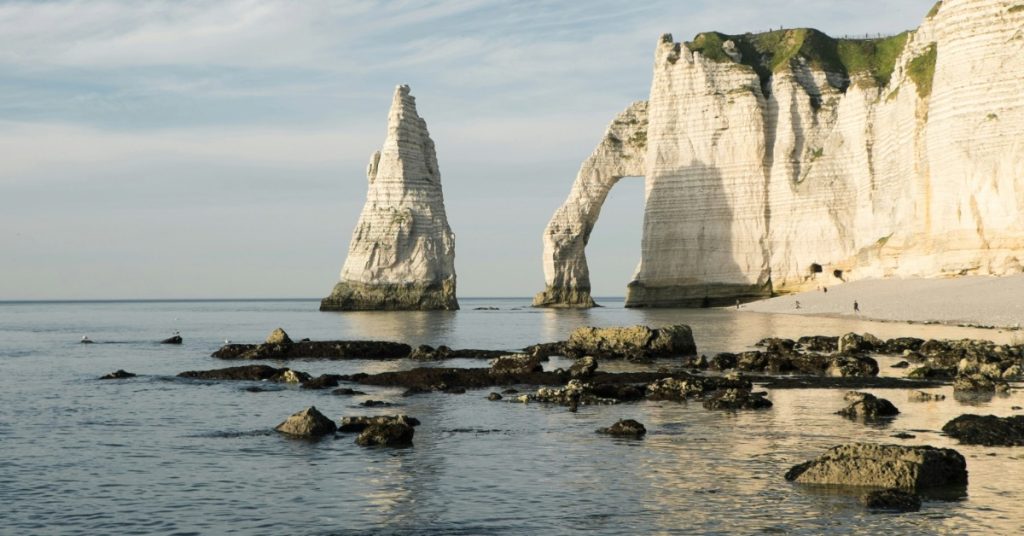
With its 600 km of coastline, Normandy offers some magnificent beaches, natural treasures but also important places related to history. One of the most beautiful locations is the stretch of coastlinefrom Fecamp to Dieppe , drawn by the spectacular white cliffs of the Alabaster Coast, cliffs that have inspired so many artists. Those of Étretat are not to be missed.
Normandy’s beaches are also known to be landscapes of memory: the stretch between Cherbourg e Le Havre was the scene of the D-day, one of the most important military operations of the 20th century. Here on June 6, 1944, the Normandy landings took place, when the British and American allies launched the offensive to liberate France from Nazi occupation.
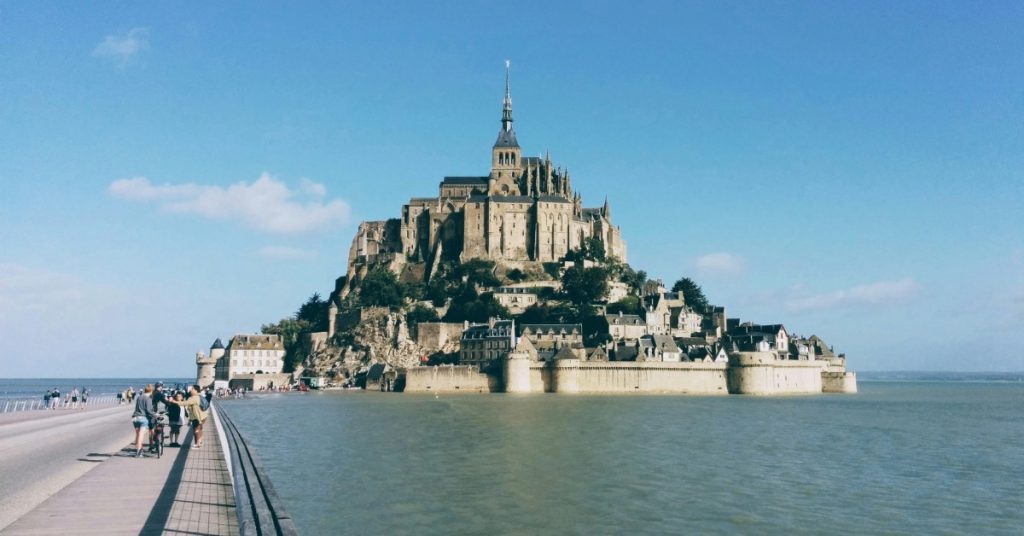
TheAbbey of Mont Saint Michel, one of the most beautiful and important sites in France and a UNESCO World Heritage Site, needs little introduction. One glance is enough to understand why: it appears like a mirage, perched on a small island, especially when the tide is still high and its skyward-climbing features are mirrored on the sea waters. A fairytale landscape that is constantly changing due to the tides, and depending on the time of day it is also possible to walk to the site. Visit the abbey and then get lost in the small town at its foot, interwoven with labyrinthine streets of incredible charm.
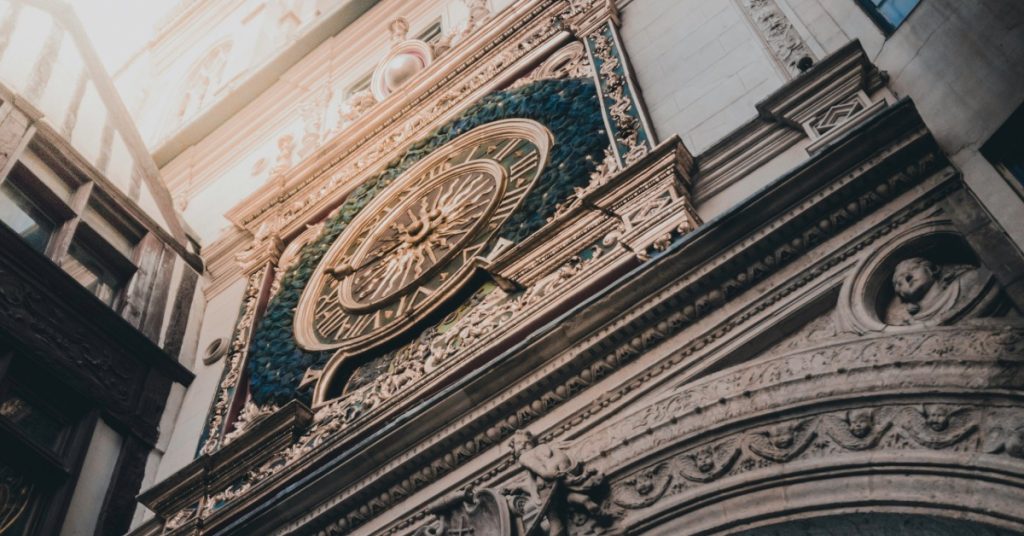
Also worth a stop is the historic town of Rouen , a beautiful medieval town that springs up along the course of the Seine River. Considered an open-air museum thanks to the perfectly preserved medieval center in which traditional half-timbered houses spring up, and towered by the imposing Notre Dame Cathedral . The Ville ‘s iconic monument is the Gros-Horloge astronomical clock, dating back to 1389, one of the oldest timekeeping mechanisms in Europe.
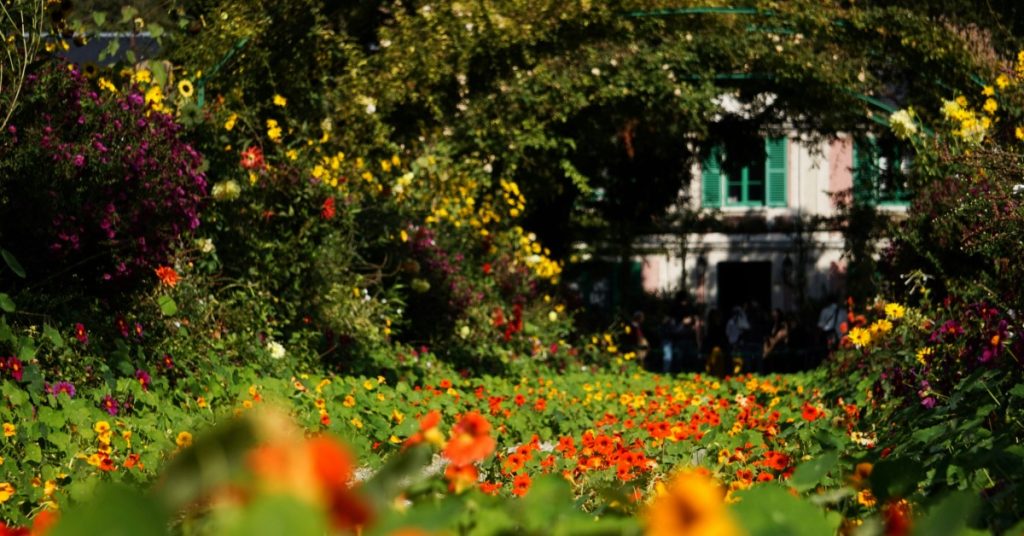
Finally, do not miss the opportunity to visit one of the most fascinating places in the “cradle of Impressionism,” the Monet’s House in Giverny. Here art and nature meet in an indescribable atmosphere, a genius loci able to tell the story of the painter’s life: within these walls surrounded by greenery, where a magnificent Japanese-inspired water garden also sprouts, Claude Monet remained until his death in 1947. The beauty of nature inspired his research and gave life to his art, a corner of Normandy that owes so much to culture.
© Riproduzione Riservata