The new law established by Royal Decree 933/2021 is expected to go into effect next Dec. 2 requiring private landlords, hotels and camping facilities to collect and report sensitive data from travelers, including payment methods, financial transactions, credit card numbers, contract details and personal contact information, to the Ministry of Interior.


According to the Interior Ministry, the law would be necessary to increase public safety and prevent terrorist activities and organized crime. A measure that industry merchants consider “impossible” and a cause of “chaos and confusion.”
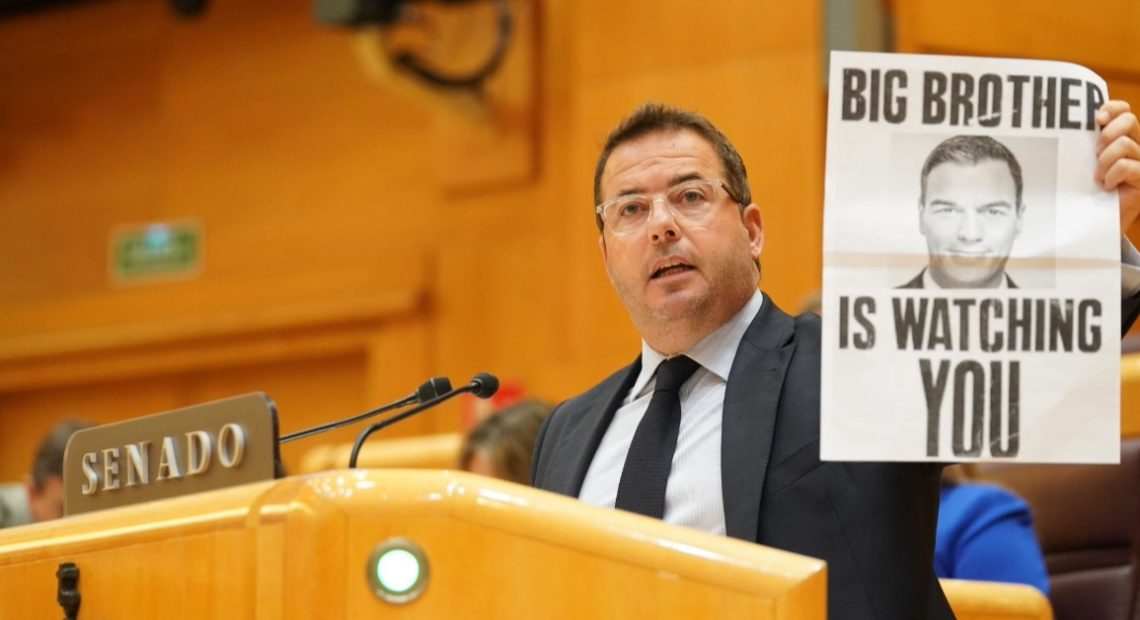
Of the same opinion is the spokesman for Tourism of the Popular Parliamentary Group in the Senate,Agustín Almodóbar, who asked the government to suspend indefinitely the application of Royal Decree 933/2021. According to the People’s Party leader, this legislation has been called “disproportionate and impossible to comply with” by the sector, especially because of its impact on the self-employed and small and medium-sized enterprises (SMEs).


According to the senator, the regulation increases operational costs and complexity in the management of a key sector for the Spanish economy, he further states, “The law demonstrates a profound lack of knowledge of how the tourism sector works.”
He also adds that the regulation could hinder Spanish tourism’s ability to continue attracting international tourists, stressing, “There is no point in being a Schengen country if borders are moved to every hotel reception.”
The Spanish Federation of Campsites FEEC also states, “Campgrounds, which have always cooperated with law enforcement agencies, have been faced with the surprise of having to provide unofficial data, which do not appear on any travelers’ documents (ID card or passport), such as payment method, credit card numbers, cell phone number, and address. As the FEEC has pointed out several times in recent months, this makes it impossible to send the data in an automated way, forcing manual registration and submission, resulting in an increase in errors and disproportionate work for those who have to provide this information “.
© Riproduzione Riservata